Learning Across Cultures: Two Erasmus Journeys at CESI
On this page :
- Two journeys, one shared motivation
- Different ways of learning
- A welcoming and international environment
- Beyond academics
- An asset for their future careers
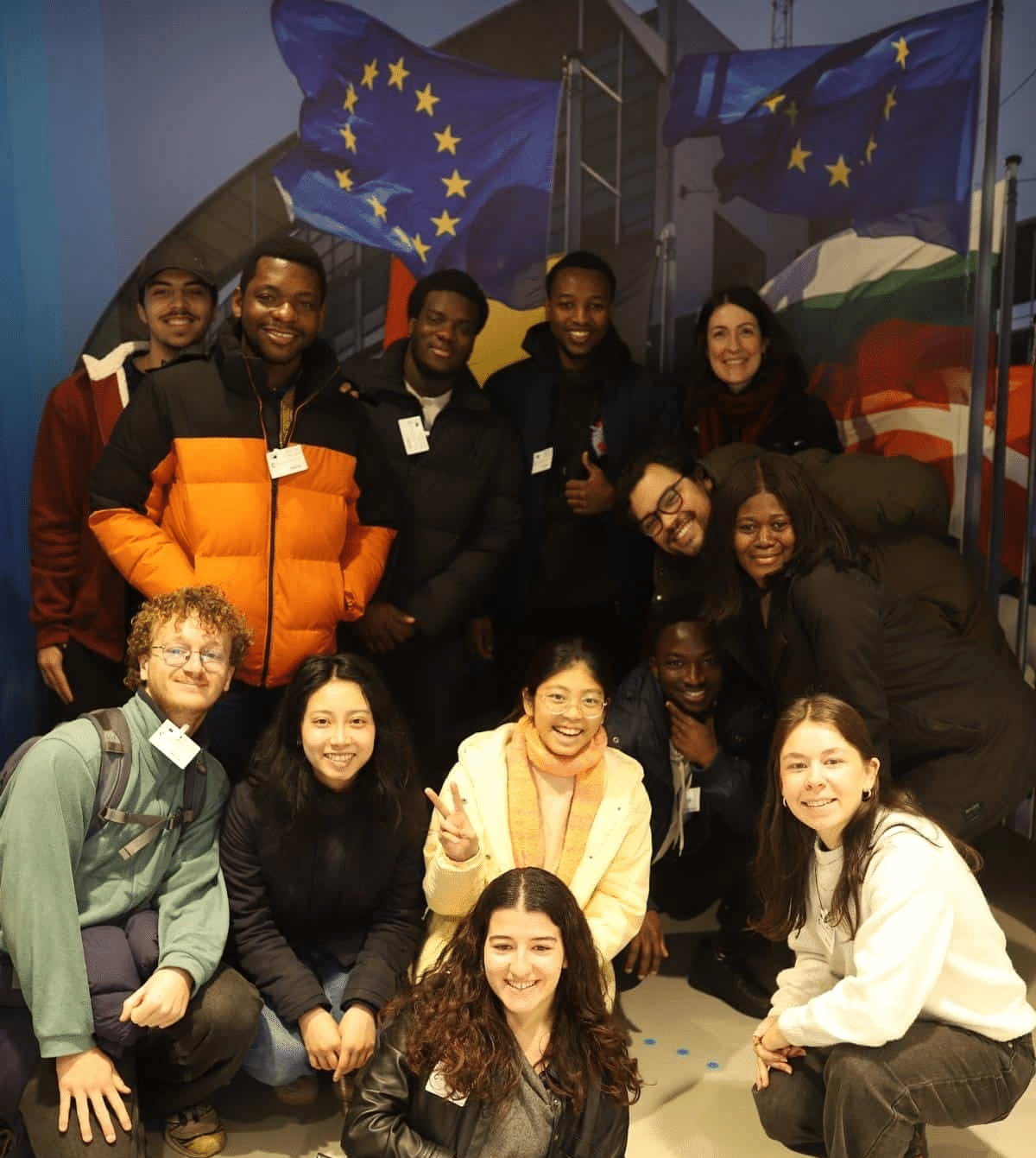
Each year, many international students join CESI campuses across France as part of the Erasmus programme. Among them, two students, Grace Wiredu and Linos Tapiwa Darikai, share their personal experiences. During their semester at CESI, both students took courses in computer science, including information systems, machine learning, and French, combining technical learning with hands-on project work. Coming from different backgrounds, they offer their perspectives on studying at CESI, discovering French culture, and growing both academically and personally.
Two Journeys, One Shared Motivation
Can you tell us about your background and academic path?
Grace : My name is Grace Wiredu. I am 23 years old and I come from Ghana. Before joining the Erasmus programme, I was studying Computer Engineering in my country. During my exchange at CESI Strasbourg, I continued my studies in Informatics. This experience is particularly meaningful to me, as it is my first time studying outside Africa.
Linos : My name is Linos Tapiwa Darikai and I am originally from Zimbabwe. Before coming to France, I was already an international student in Ghana, studying at Ashesi University. I joined CESI Aix-en-Provence as part of my Erasmus exchange, allowing me to further strengthen my international academic journey.
Why did you choose France and CESI in particular?
Grace : I chose France because I wanted to discover a new culture and improve my French through daily interactions. Having lived in Africa all my life, this experience was an opportunity to step out of my comfort zone. I chose CESI in particular because the courses are taught in English, which was essential for me as a beginner in French. This allowed me to follow the courses confidently while gradually improving my language skills.
Linos : France attracted me because I wanted to learn French and experience life in Europe. CESI caught my attention during a presentation at my university, especially because of its project-based learning approach, which emphasises practical skills through real projects.
Different Ways of Learning
What differences did you notice between your home university and CESI?
Grace : The main difference for me was the daily schedule and overall pace. We spent many hours on campus, sometimes from 8:30 a.m. to 5:30 p.m. This intensive rhythm was very different from the traditional system I was used to in Ghana and required some time to adapt.
I also discovered a project-based, process-oriented learning approach: each day, we worked on a specific task or project and then discussed our results together.
Linos : One of the biggest differences was the daily structure. At CESI, days are very intensive, with classes running from morning to late afternoon, and there is a strong focus on preparing students for professional and industrial environments. I was also surprised by the assessment system. Coming from an American-style system, I had to adapt to a more autonomous learning model with fewer traditional evaluations and greater responsibility for my own learning.
A Welcoming and International Environment
How would you describe the welcome from teachers and students?
Grace : The teachers were very welcoming and treated everyone equally. Students were also supportive and helpful, both in class and outside the classroom, which made my integration easier.
Linos : I felt very well welcomed by both teachers and students. Whenever I needed help or had questions, people were open, friendly, and supportive.
How did you experience life with students from different nationalities?
Grace : Studying at CESI allowed me to meet students from many different countries, including France, Ghana, Togo, Pakistan, and the United States. Working in such a diverse environment helped me better understand different ways of thinking and collaborating on a daily basis.
Linos : I met students from a wide range of nationalities, including Morocco, Algeria, Tunisia, Egypt, and many others through international events and student gatherings. Being surrounded by people from different cultures was one of the most enriching aspects of my Erasmus experience.
Beyond Academics
What were your first impressions when you arrived in France?
Grace : I was very excited because it was my first time outside Africa. Everything felt new and impressive, from the airport to the cities themselves. At the same time, adapting to a new country was challenging during the first weeks.
Linos : I was impressed by the infrastructure and the organisation of cities, especially public transport and urban planning. Since I had already experienced studying abroad before, adapting to life in France felt easier, but it was still very eye-opening.
Did you experience any cultural differences or everyday surprises?
Grace : One of my first cultural shocks happened at the supermarket. In Ghana, staff usually pack groceries for customers, so I was surprised to learn that in France you need to bring your own bag or buy one. These small everyday situations helped me better understand French habits. I also really enjoyed discovering French culture through local events, especially the Strasbourg Christmas market, which was a memorable and magical experience.
Linos : Daily life in France was more about discovery than shock for me. I noticed many differences in organisation and lifestyle, but they felt natural over time. Language was sometimes a challenge outside the classroom, and in those moments, I occasionally used ChatGPT to help continue conversations or better understand what was being said.
What did you discover outside the classroom through travel and activities?
Grace : I did not travel much outside Strasbourg, but I enjoyed discovering the city itself, especially during the Christmas season. Looking back, I realise I should have explored more, and I plan to do so before the end of my stay.
Linos : I travelled to Marseille, visited museums to better understand French history and culture, attended a football match, and went hiking near Aix-en-Provence, which became one of my favourite activities. These experiences allowed me to discover France beyond the classroom.
What would you do differently, and what advice would you give to future Erasmus students?
Grace : If I could change one thing, it would be exploring the city more from the beginning. Even though studying is important, taking part in social activities and discovering the city really helps you feel happier and more integrated.
Linos : I would plan my trips much earlier, especially if I wanted to visit cities like Paris, as prices increase quickly. I would also strongly recommend attending international events such as Polyglotte evenings, where you can meet people from many nationalities, share experiences, and broaden your perspective.
An Asset for Their Future Careers
What did you gain academically from this Erasmus experience?
Grace : I gained new knowledge and skills, but most importantly, I studied in a very international environment. Working with students from many different countries helped me understand different perspectives and improve my teamwork skills.
Linos : The most important academic gain for me was autonomy. I learned how to study independently, search for information on my own, and solve problems without constant guidance. This ability to “learn how to learn” is something I will carry with me into the future.
How do you think this international experience will help you in your future career?
Grace : This experience helped me become more confident and open-minded in multicultural environments. It showed me how valuable it is to work with people from different backgrounds.
Linos : My international background has become even stronger thanks to this experience. Studying in France after Zimbabwe and Ghana gives me a diverse profile and prepares me to work in international teams, continue my studies, or develop entrepreneurial projects.