Yūgen: An International Internship in Japan Turned into a Cinematic Documentary
On this page :
- Choosing to Go to the Other Side of the World
- Daily Life in Tokyo Between Work and Discovery
- An Ambitious Project Turned Reality
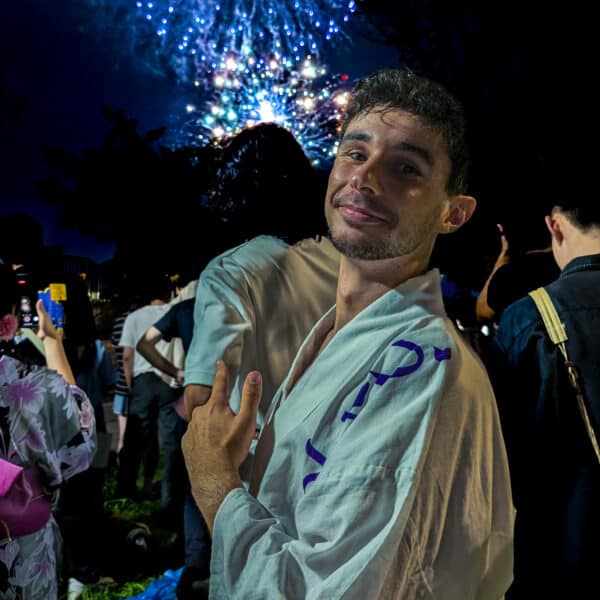
A master’s-level engineering student at CESI Toulouse, Yoann Foulonneau completed his international internship in Japan. This immersive experience led to Yūgen, a feature-length documentary that premiered at a cinema in Toulouse before being released online. He reflects on his academic background, his international experience, and the origins of this ambitious project.
Choosing to Go to the Other Side of the World
Could you introduce yourself and tell us about your academic path at CESI ?
My name is Yoann Foulonneau, I am 23 years old. I joined CESI in 2020 through the integrated preparatory program on the Toulouse campus. At the end of this program, I chose to specialize in embedded systems, a field that immediately appealed to me.
I then continued my studies in the engineering cycle. During my second and third years, I completed a work-study program at CNES (the French National Centre for Space Studies), while remaining enrolled at the Toulouse campus, with regular travel to Paris.
Why did you choose Japan for your international internship?
Japan is a country that has fascinated me for a long time. I first discovered its culture through manga and anime, then gradually became interested in what lies behind these works: social norms, ways of life, and the importance of collective values.
During the first COVID lockdown, I began learning Japanese on my own and planning travel projects. When the international internship became a compulsory part of the curriculum, I felt it was the perfect opportunity to take on this experience, live in Japan for several months, and truly immerse myself in the country.
Daily Life in Tokyo Between Work and Discovery
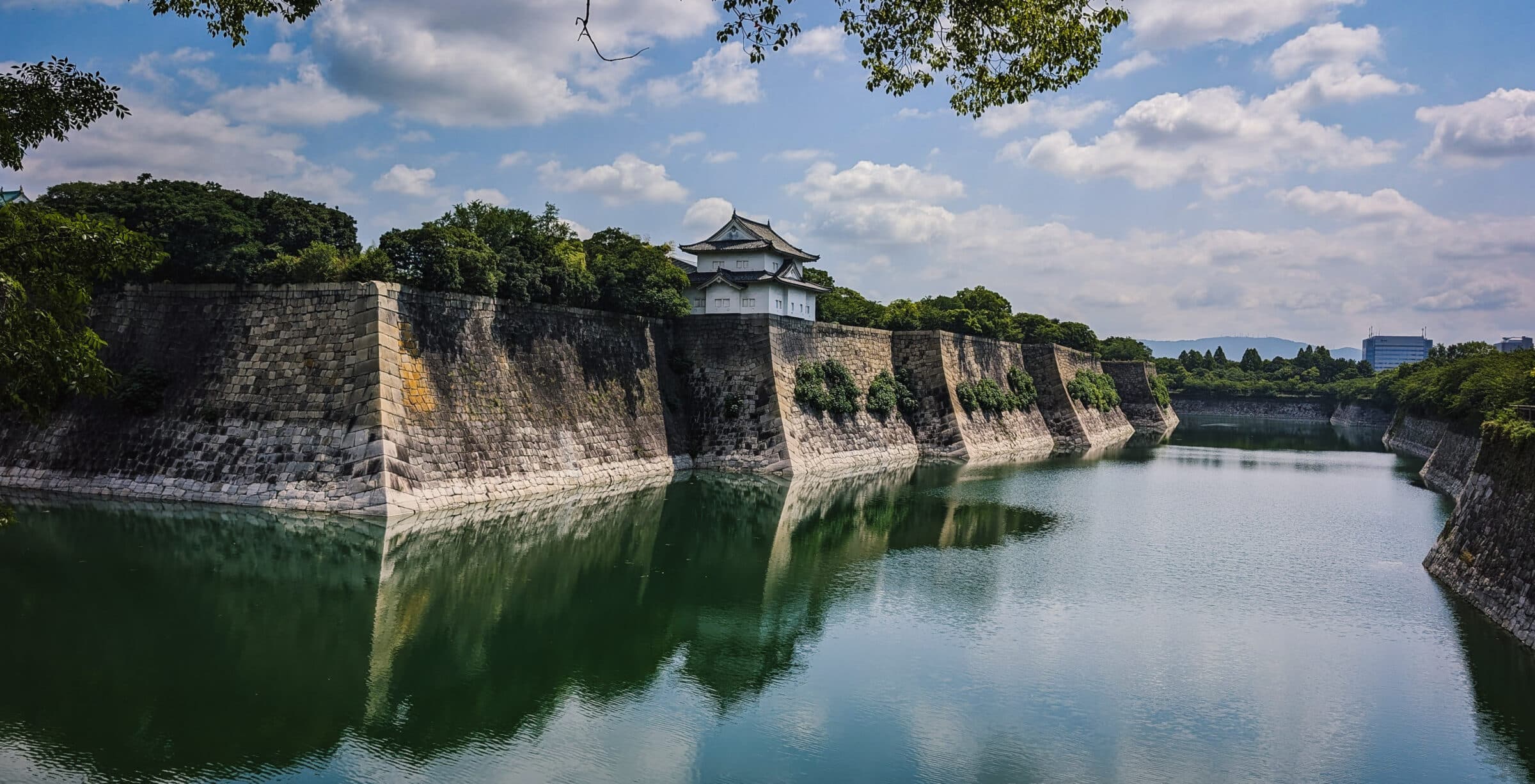
What did your internship involve?
I joined a Franco-Japanese start-up specializing in the Internet of Things (IoT), based in Tokyo, in the Shibuya district. Although the company is legally Franco-Japanese, it operates exclusively on the Japanese market.
For three months, I worked on the development of a connected water quality sensor. This internship allowed me to apply my embedded systems skills while discovering a professional and cultural environment very different from what I had previously experienced.
What was your daily life like in Tokyo?
Tokyo is an extremely large and expensive city. I lived about one hour away from the office by public transport. The days were intense, but I was able to negotiate an organization that left me time to explore the country.
In particular, I had extended weekends, which allowed me to travel very regularly. Almost every week, I set out to discover areas around Tokyo, often far from the main tourist routes.
An Ambitious Project Turned Reality
When did the idea of filming your experience emerge?
I had planned to film from the very beginning, as I am passionate about video production. My initial idea was simply to create a personal travel video, carefully edited for my own memories.
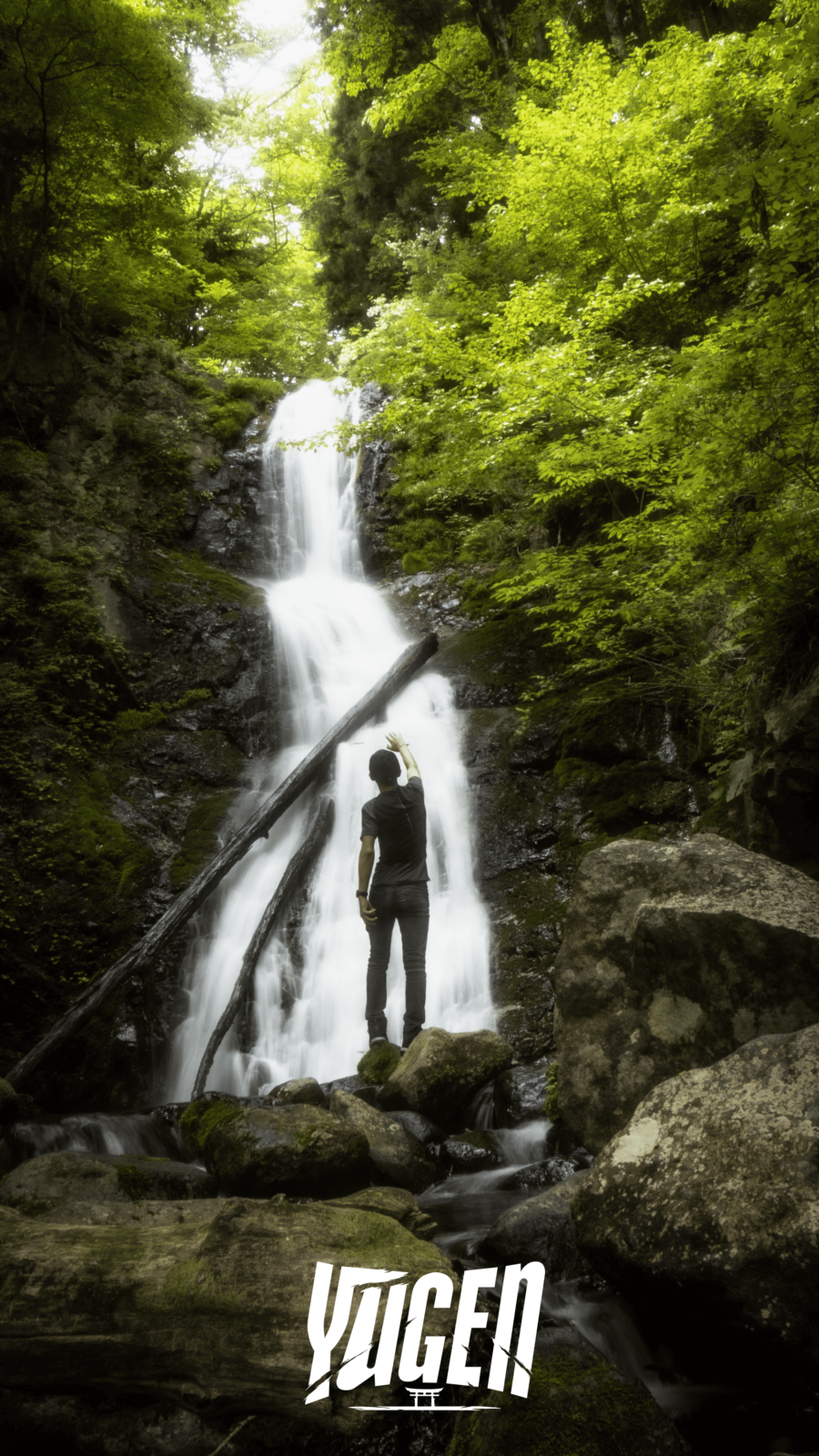
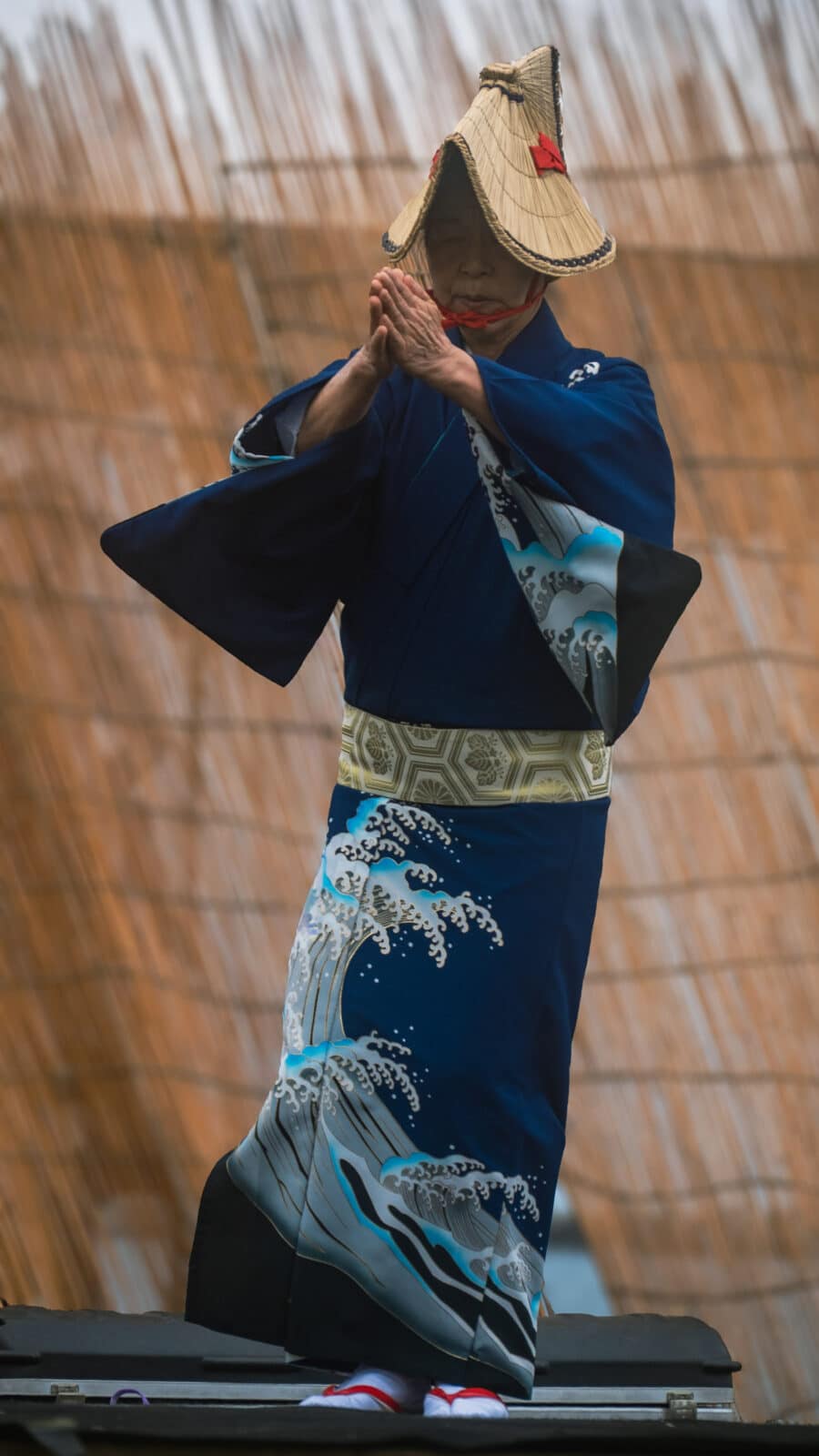
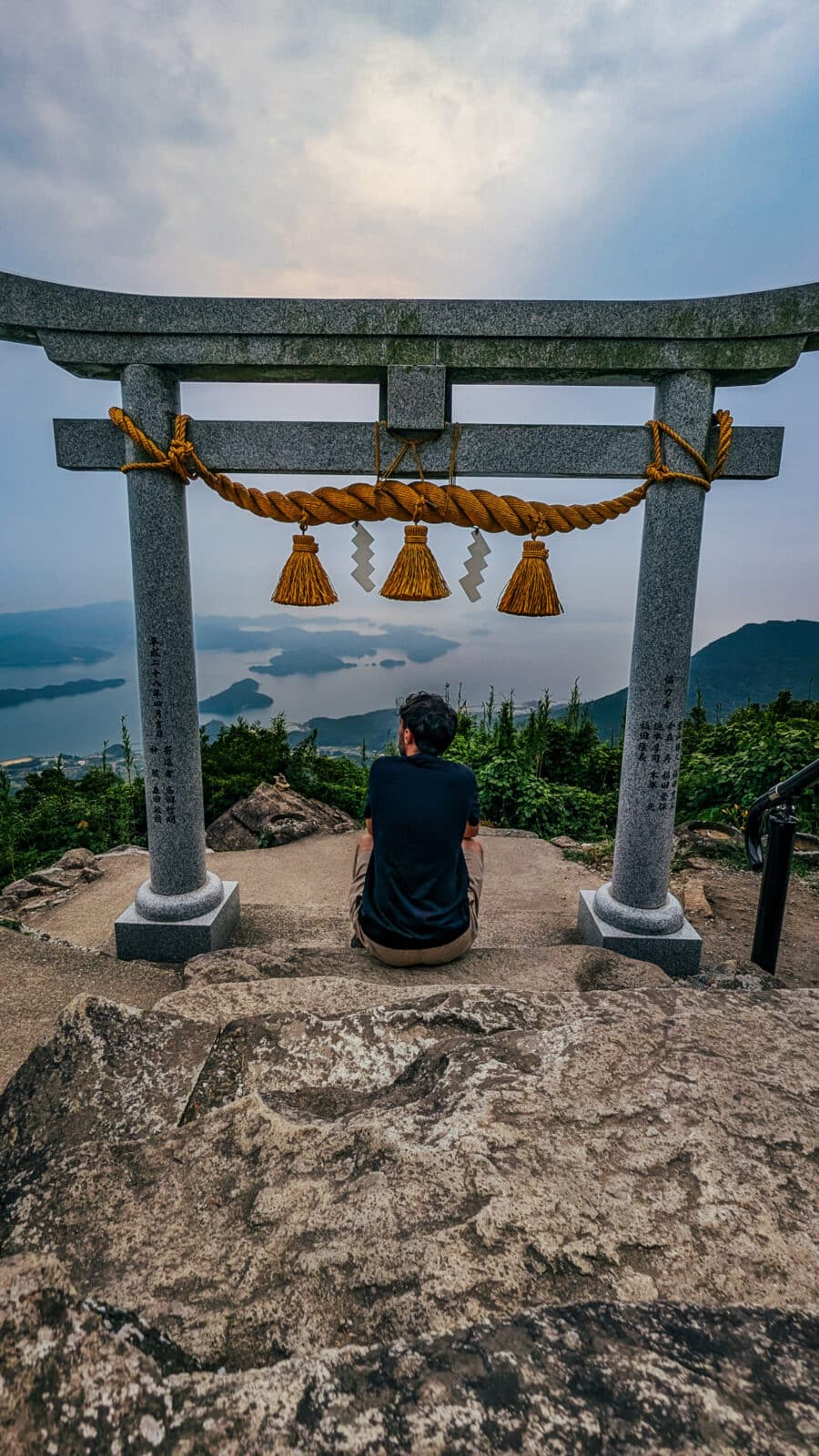
However, from the very first weeks, I experienced particularly strong moments: a festival bringing together over a thousand samurai, an island abandoned since World War II where I found myself completely alone, and unexpected encounters in little-visited villages.
I realized that I was experiencing a side of Japan that is rarely shown. From that point on, I started filming with the intention of telling a story and presenting a different perspective on the country.
Did the project quickly grow in scope?
Yes, very clearly. When I returned to France in September 2024, I began editing the film on my own. However, between my studies, my work-study program, and the sheer scale of the project, I quickly realized that I could not manage everything alone.
I therefore assembled a team of around twenty people, including video editors, sound engineers, graphic designers, 2D and 3D animators, camera operators, and musicians. The project grew far beyond what I had initially imagined.
How did you finance and coordinate a project of this scale?
Financing was a real challenge. I relied heavily on my network in the audiovisual field, working with professionals and students who agreed to take part in the project under adapted conditions.
At the same time, I combined several activities: my work-study program, private tutoring in mathematics and physics, and video production services for clients.
From an organizational standpoint, I had to learn how to manage a team, delegate tasks, and assert an artistic vision while maintaining a human-centered approach. This was an extremely formative experience.
The documentary was even screened in a cinema. How did that come about?
We organized a premiere on November 30th in the largest cinema in Toulouse, which was entirely privatized for the event. More than 200 people attended.
The cinema supported us throughout the logistical and event organization process. Seeing the film screened on a large screen, surrounded by the entire team, was a very powerful and symbolic moment.
What did this experience bring you on a personal level?
Traveling alone to the other side of the world, without mastering the language or cultural codes, is highly destabilizing. There is a real choice to be made between staying within one’s comfort zone or fully embracing the experience.
This journey taught me how to overcome the fear of others’ judgment, to dare to approach people, and to step outside my comfort zone. I grew tremendously, learned a great deal about myself, and had many meaningful encounters.
And on a professional level?
Even though this project is not directly related to engineering, it contributed greatly to my human and organizational development.
Managing a team of around twenty people, handling a long and complex project, learning how to delegate, and making decisions are essential skills, regardless of one’s profession. This experience perfectly complements my engineering education.
The Yūgen project does not end with the film…
Alongside the documentary, we also produced an illustrated travel journal, which was distributed as a preview during the premiere. It retraces the journey day by day, with photographs and more personal reflections that complement the film.
Do you have a message for CESI students?
Choosing to go abroad can be intimidating, especially when traveling alone and far from home. However, these experiences are often the ones that allow individuals to truly grow and discover themselves.
Students should not hesitate to seize these opportunities and step outside their comfort zone: such experiences leave a lasting impact, both personally and professionally.