“Research must be a lever for development, academic recognition, and attractiveness”: a look back at the CESI LINEACT annual seminar
In this page :
- Focus on academic excellence and European impact
- Working together to build multidisciplinary research with a strong regional impact
- Bringing talent together to amplify collective impact
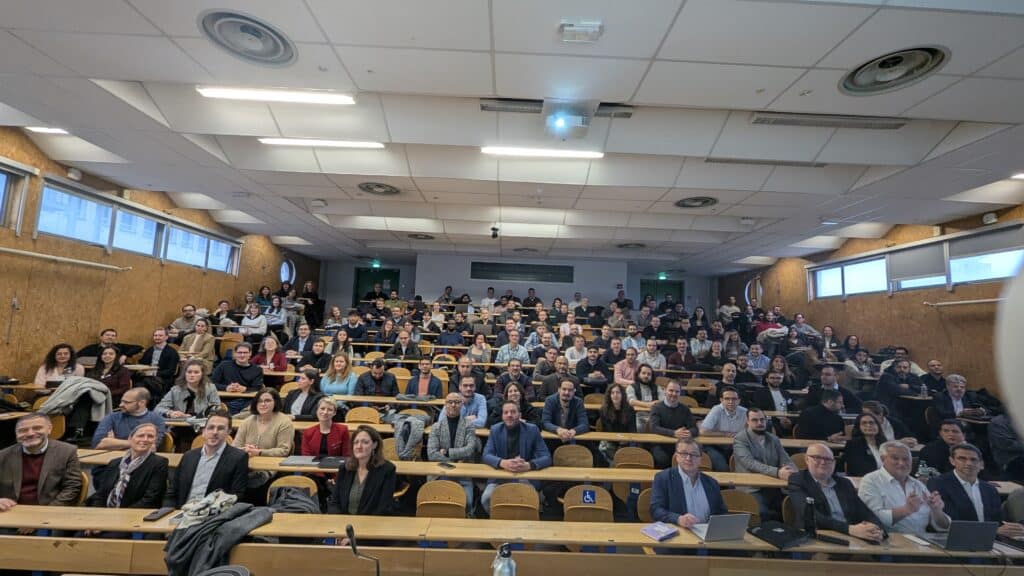
From January 27 to 29, 2026, CESI engineering school organized a new edition of the annual seminar of its CESI LINEACT research unit in Dijon, a highlight of the school’s scientific life. Hosted by the University of Burgundy Europe, a long-standing partner of CESI, the event brought together nearly 200 members of the research community, including professors, doctoral students, research engineers, and support staff.
Designed as an opportunity for sharing, structuring, and planning, this seminar embodies the meeting point between the unit’s scientific policy and its regional roots. It aims to stimulate interdisciplinary dialogue and jointly develop the future directions of CESI’s research and innovation, at the heart of a particularly dynamic academic and technological ecosystem.
Focus on academic excellence and European
impact
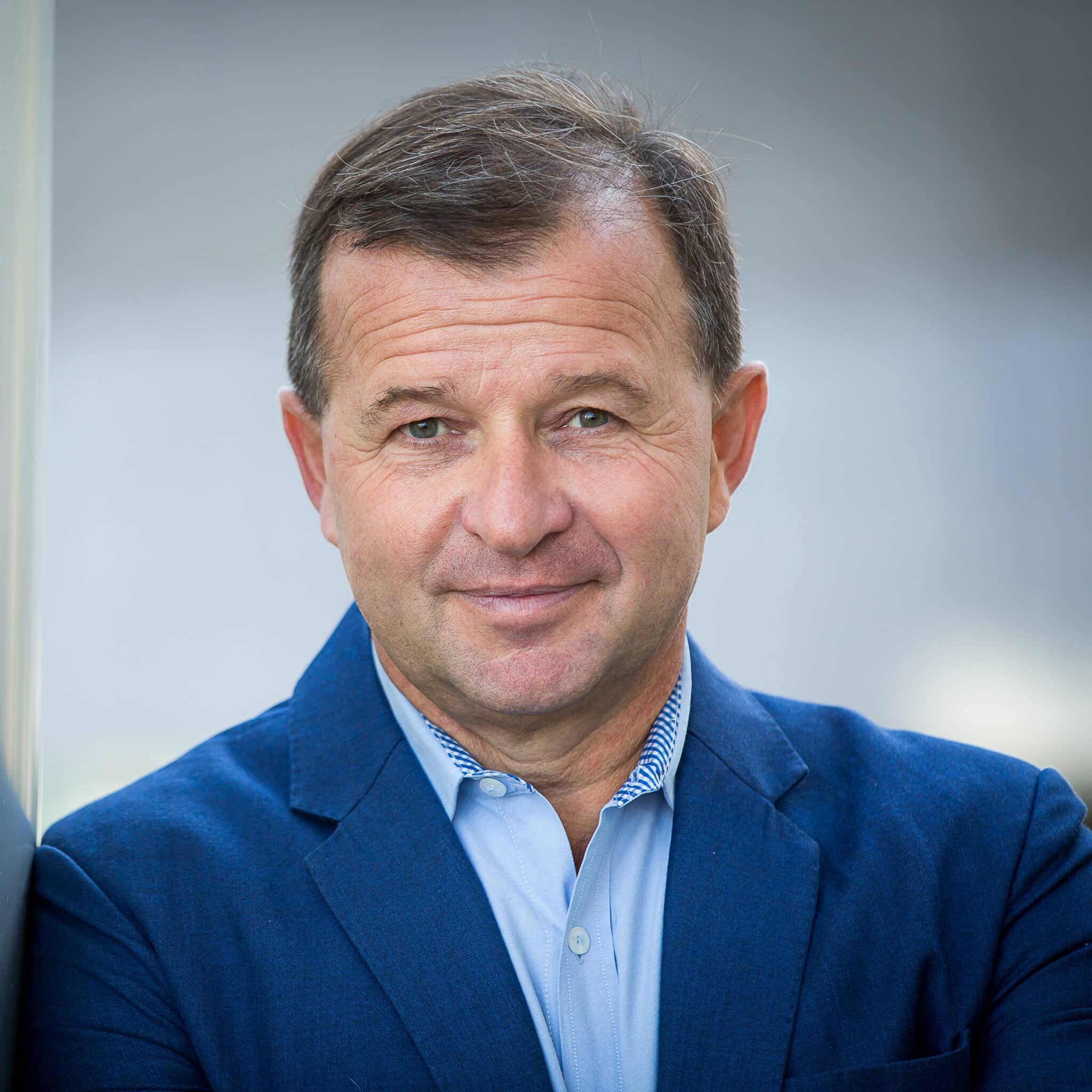
At the opening of the event, Jean-Marc Ogier, Director General of CESI Engineering School, reiterated a clear ambition :
“[…] to position CESI LINEACT at the highest level of French and international academic standards.”
This trajectory involves increasing the number of HDRs (Habilitation à Diriger des Recherches, or accreditation to supervise research) and strengthening scientific output, in a context of increased requirements driven by Hcéres.
The Director General also emphasized the need to “think about higher education and research on a European scale” through the integration of an alliance, the acceleration of campus internationalization, and the continued globalization of the organization, in alignment with regional priorities.
The seminar also highlighted major challenges for the future of research at CESI, in particular the democratization of access to science and the importance of widely disseminating research results, in a context where research can sometimes be called into question. The dissemination of scientific, technical, and industrial culture is therefore a key focus for CESI.
said Jean-Marc Ogier
Finally, strengthening ties with industrial partners was reaffirmed as an essential strategic lever for developing co-innovation approaches and fully aligning CESI LINEACT’s activities with the European Commission’s priorities, with a view to anticipation and interdisciplinarity.
Building multidisciplinary research with a
strong regional impact

Beyond the scientific challenges, the seminar highlighted the CESI Research and Innovation collective, both regional and professional, as an essential condition for the unit’s influence.
In this context, and in line with the strategic orientations presented at the opening, Yohan Dupuis, Director of CESI LINEACT, outlined the areas structuring the unit’s scientific dynamic. The adoption of European research values, the strengthening of multidisciplinarity, and the pooling of scientific and technological advances are thus major levers for “unleashing collective potential and amplifying the impact of CESI LINEACT across all regions.”
In the context of CESI’s evolving strategy, this approach aims to assert the positioning of its research and innovation activities at the heart of regional, national, and European policies, while enabling teacher-researchers to act as true “entrepreneurs” within a collective, project-based dynamic.
Furthermore, organizing the seminar in the region illustrates a strong strategic orientation: to integrate CESI’s research into regional ecosystems, in close collaboration with partner universities, local authorities, and the local socio-economic fabric.
The projects presented cover a broad spectrum, in line with current scientific and societal priorities:
- artificial intelligence and digital systems,
- industrial engineering and robotics,
- design and prototyping,
- organizational transformation,
- sustainable development and transitions,
- dissemination of scientific culture.
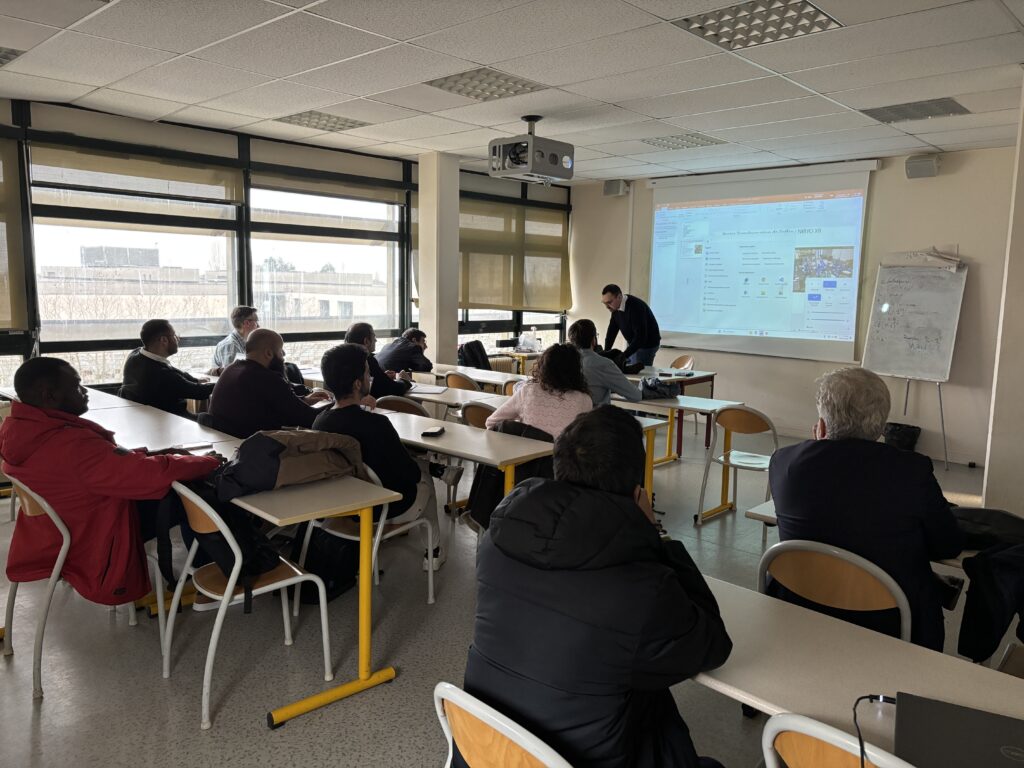
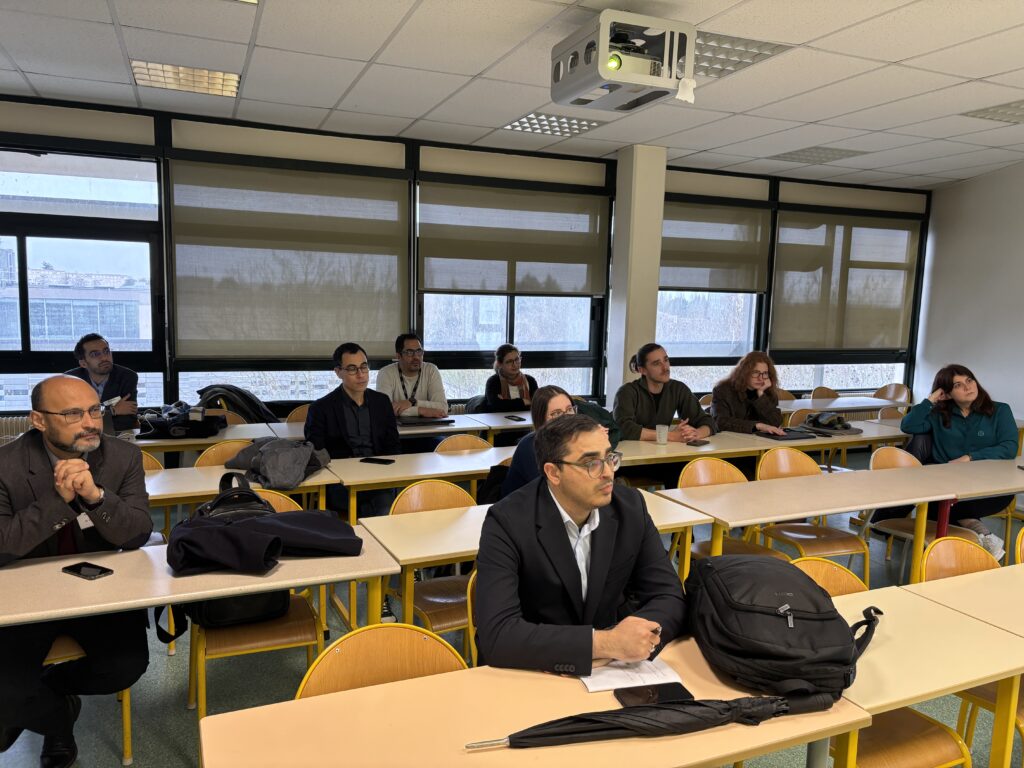
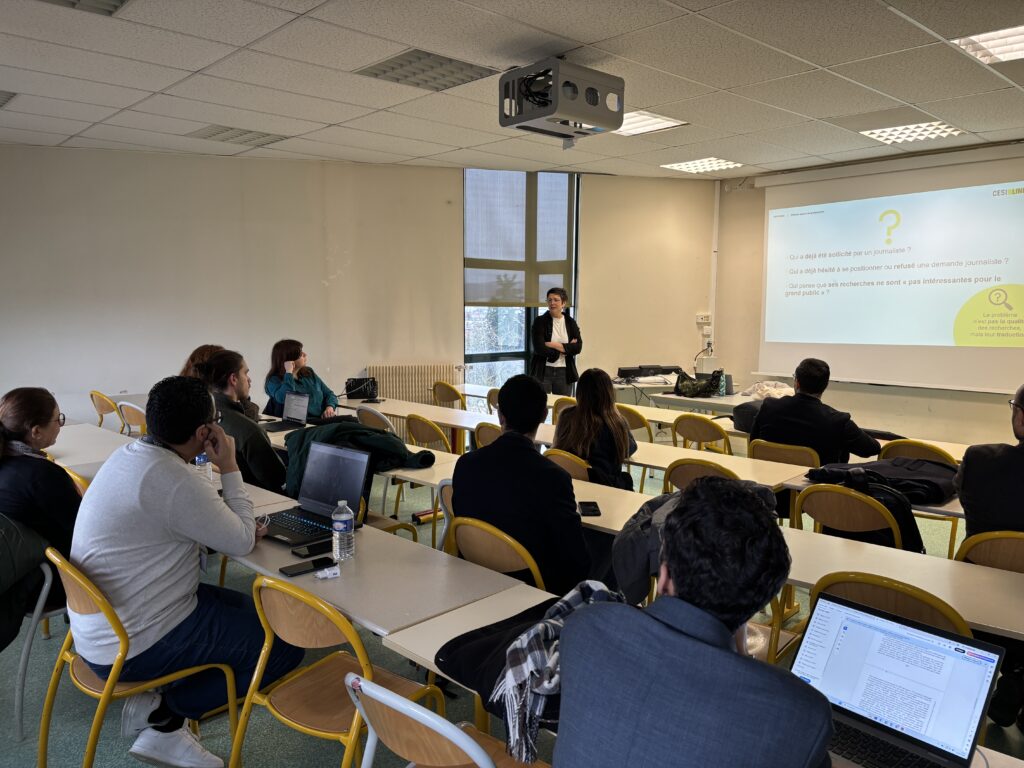
There are no rigid boundaries between our teams. Researchers work collectively, thematically, and across disciplines. This multidisciplinary approach is essential for responding to contemporary challenges.
says Yohan Dupuis, Director of Research and Innovation at CESI and Director of the CESI LINEACT research unit.
Bringing together talent to amplify collective impact
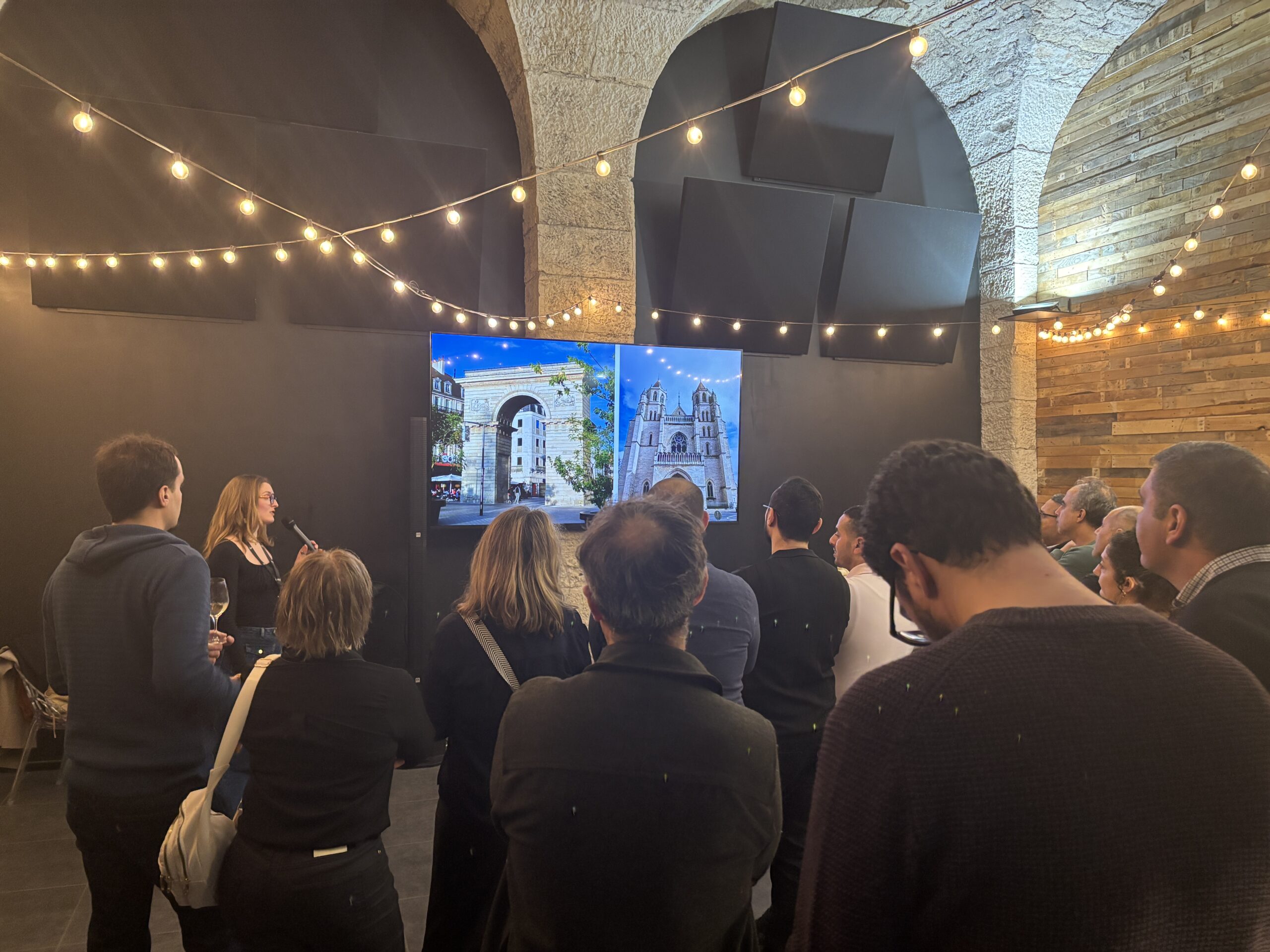
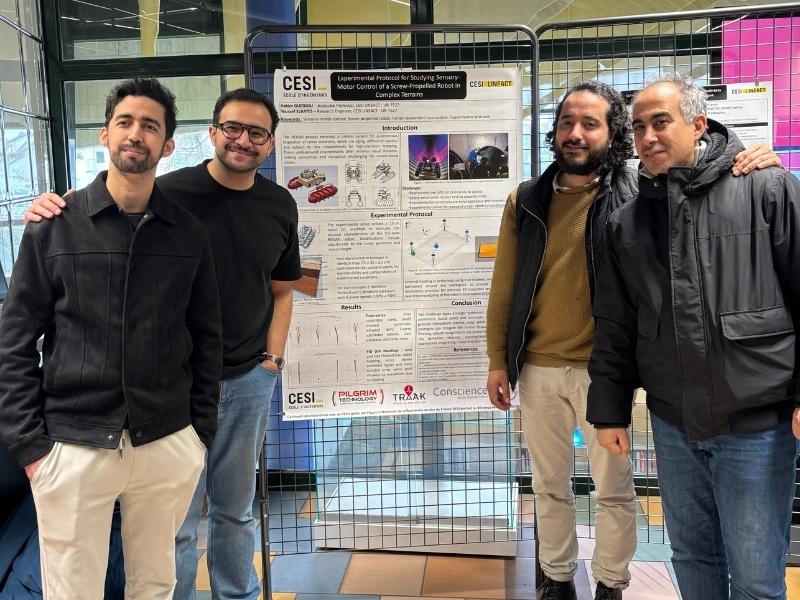
Alternating between scientific sessions, poster presentations, and collaborative workshops, the seminar promoted collective ideation, the sharing of best practices, and the emergence of cross-disciplinary projects.
These opportunities for discussion fully reflected the spirit of the seminar: a moment of reflection, co-construction, and collective commitment to ambitious, open, and high-impact research.
The following topics were discussed in particular :
- Open science and the visibility of scientific output
- Setting up research projects, particularly at the European level
- Dissemination of scientific, technical, and industrial culture
- Science & society: making research accessible to the general public
- Professional groups: artificial intelligence, DevOps, robotics, design, prototyping.
By highlighting the diversity of profiles and the key role of interface functions, the CESI LINEACT seminar also shed light on the decisive contribution of research engineers to technology transfer, as well as the active contribution of doctoral students to the visibility of ongoing work, through poster sessions, and to collective scientific dynamics.
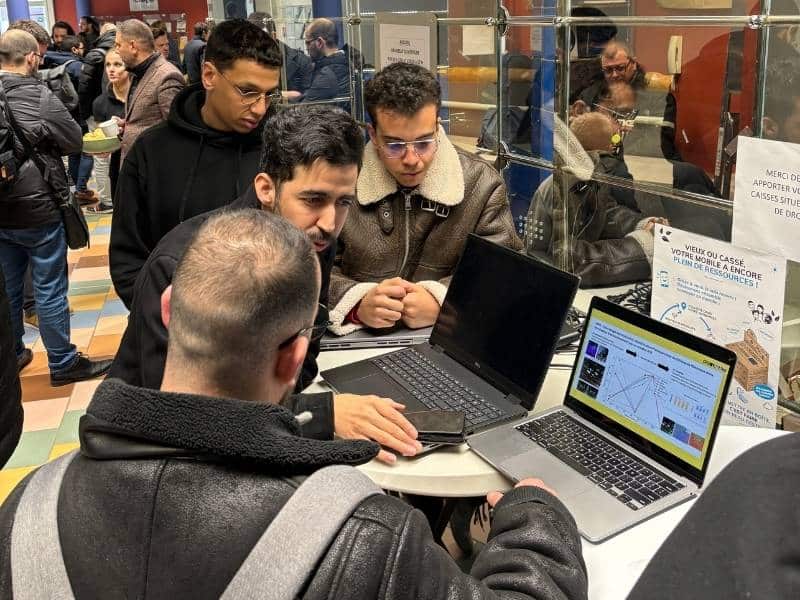
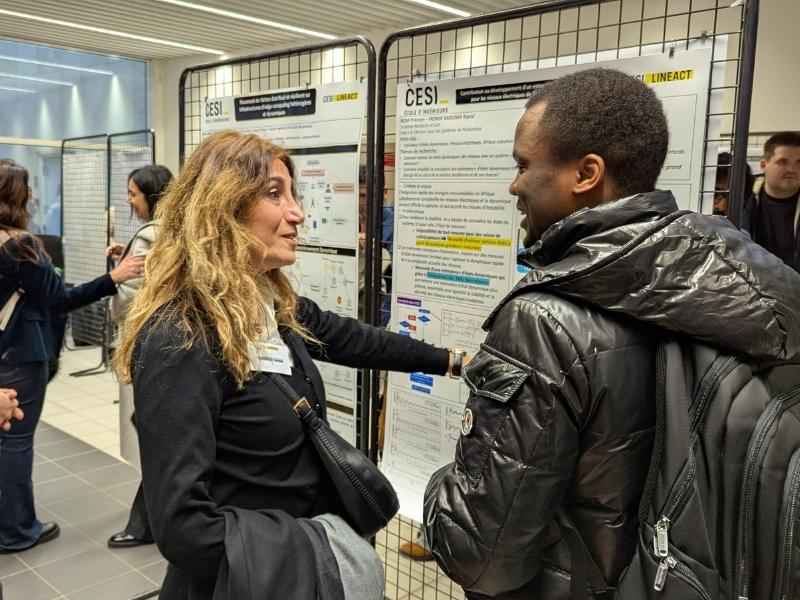
Research engineers bridge the gap between scientific production and operational solutions that can be used in training and in business. They are an essential link in our impacts.
emphasizes Yohan Dupuis
Dijon, an environment conducive to synergies
The choice of Dijon meets scientific and logistical criteria, but also reflects the presence of a dynamic academic environment and strategic technological infrastructure for CESI.
This type of event illustrates our ability to network across the country. Even if expertise is concentrated in a single location, it benefits the entire community.
concludes Yohan Dupuis