One Summer, Four Campuses: A Look Back at the 2026 Summer Schools
Dans cette page :
- Nice: “Generative Artificial Intelligence (GenAI) for Industry”
- Caen: Smart Health Care & AI at the Heart of the Programme
- Nanterre: An International Immersion Around “BIM for a Sustainable Future”
- Strasbourg: Smart Innovation
- Four Campuses, One International Outlook
Every year, CESI’s Summer Schools welcome students from around the world for two weeks of intensive immersion. This summer, four campuses offered programmes focusing on future-oriented topics: Generative Artificial Intelligence in Nice, Smart Health in Caen, BIM for a sustainable future in Paris-Nanterre, and smart innovation in Strasbourg. Here is a look back at programmes combining academic excellence, professional immersion and cultural discovery.
Nice: “Generative Artificial Intelligence (GenAI) for Industry”
22
students welcomed at CESI campus in Nice.
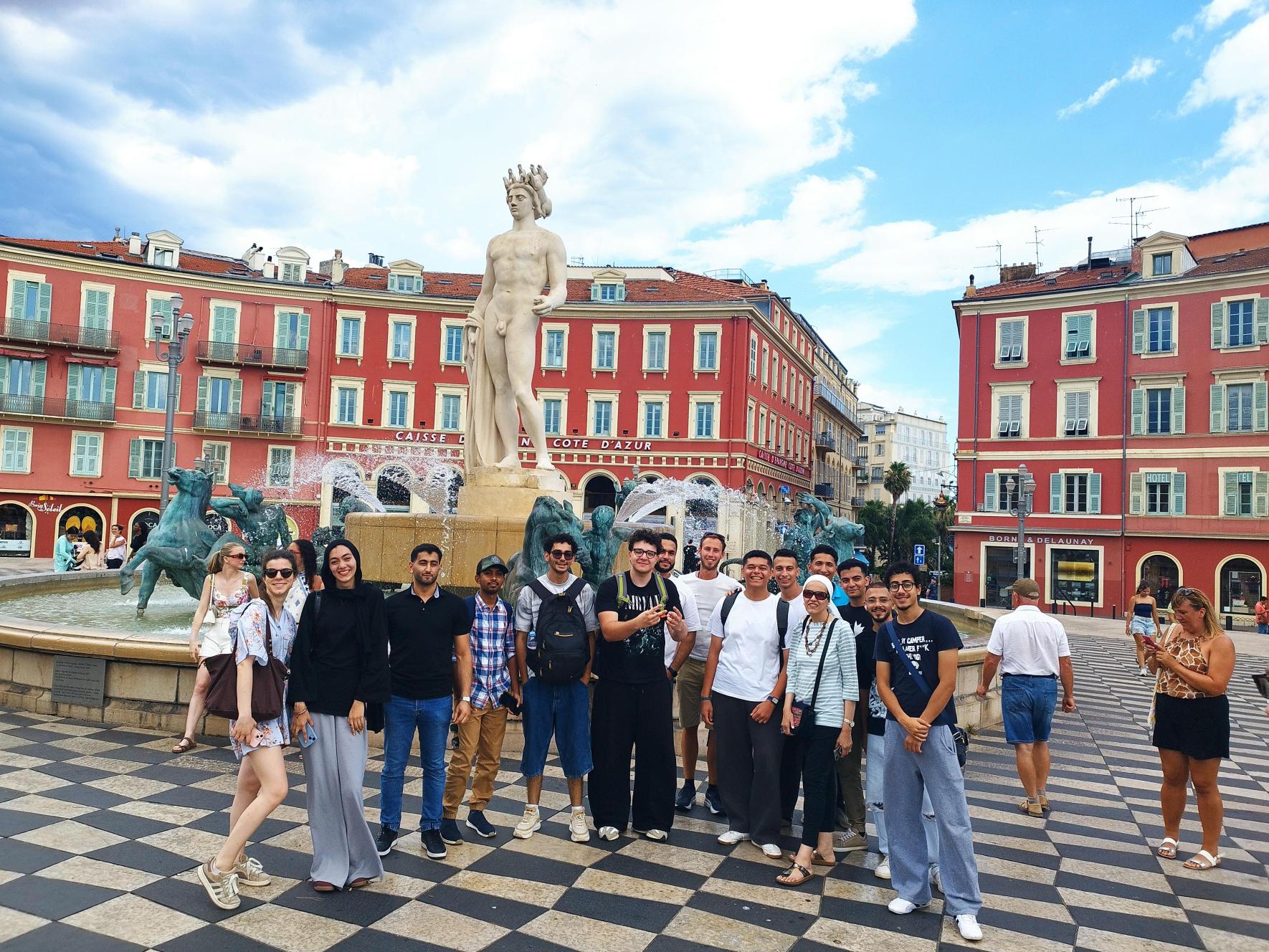
From 29 June to 10 July 2026, the CESI campus in Nice welcomed 22 students from Egypt, India, Tunisia, Lebanon, Gabon, Serbia and France for the second edition of its Summer School. The GenAI Summer School focused on generative artificial intelligence for industry. Far from being purely theoretical, the programme was based on concrete applications in the local area. Students explored generative models for computer vision, mixture-of-experts models, local AI models, explainable AI and responsible AI, and looked at how these concepts can be applied in real-world situations.
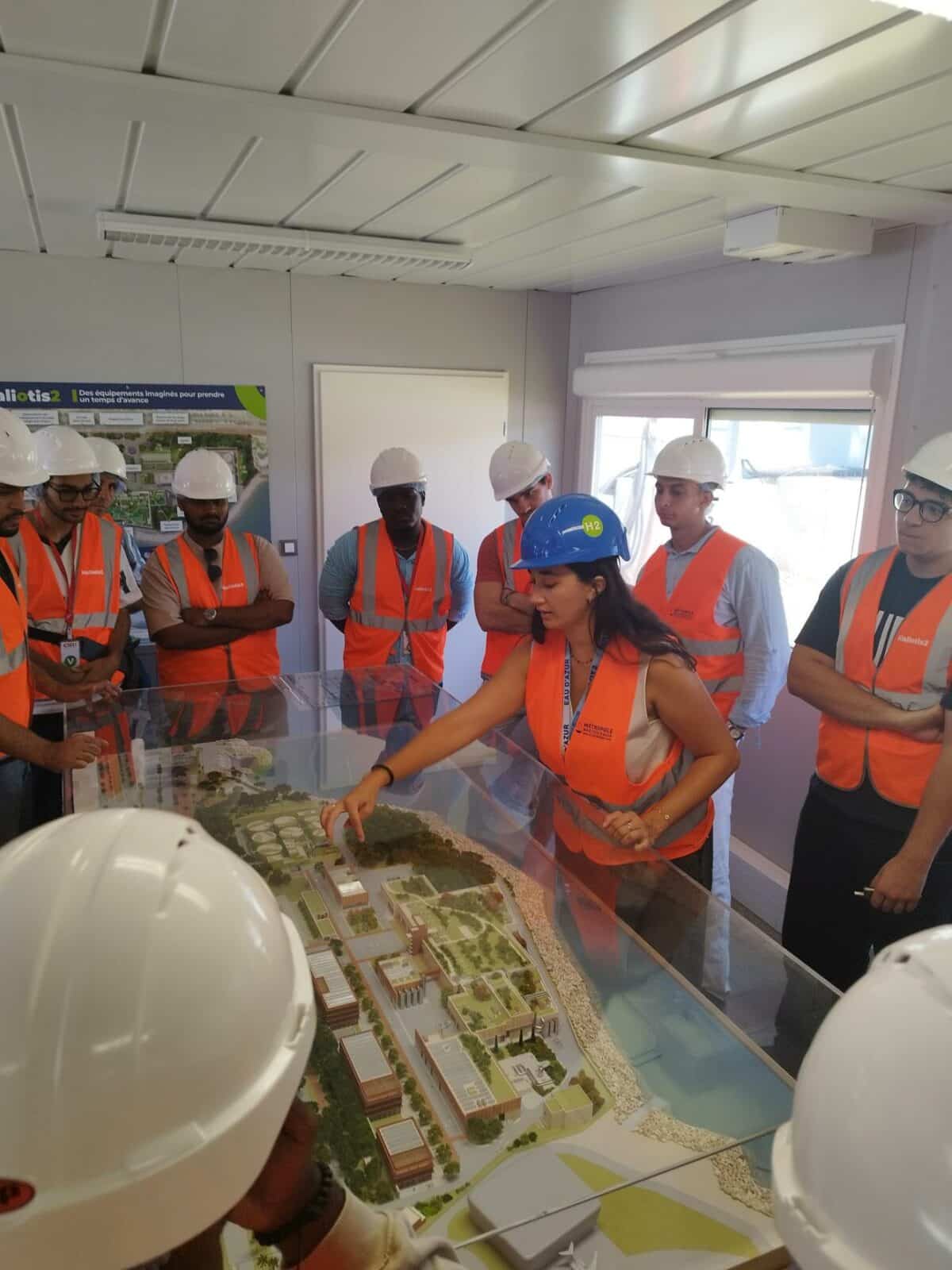
This approach was illustrated by a visit to La Maison de l’eau, as part of the Haliotis 2 project led by the Nice Côte d’Azur Metropolitan Area, which aims to improve network management through AI and data analysis.
The visit gave students an opportunity to discover how artificial intelligence is transforming water treatment, the use of photovoltaic energy and waste management at the local level.
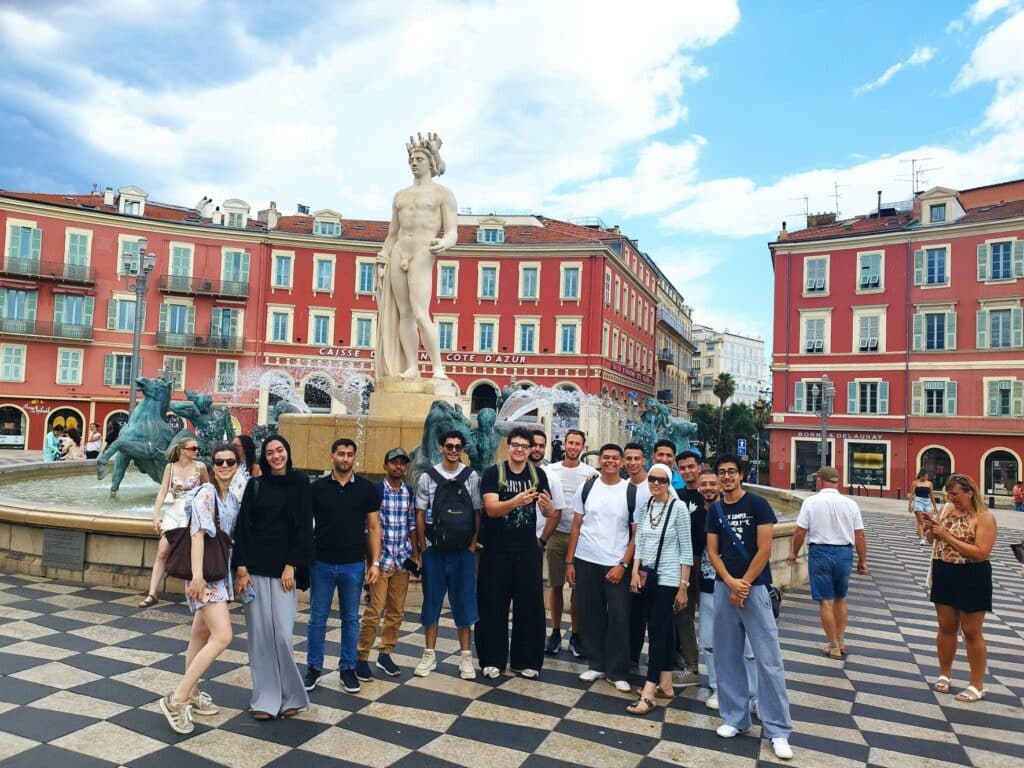
The programme also included cultural activities, with visits to the Old Town of Nice and the Promenade des Anglais.
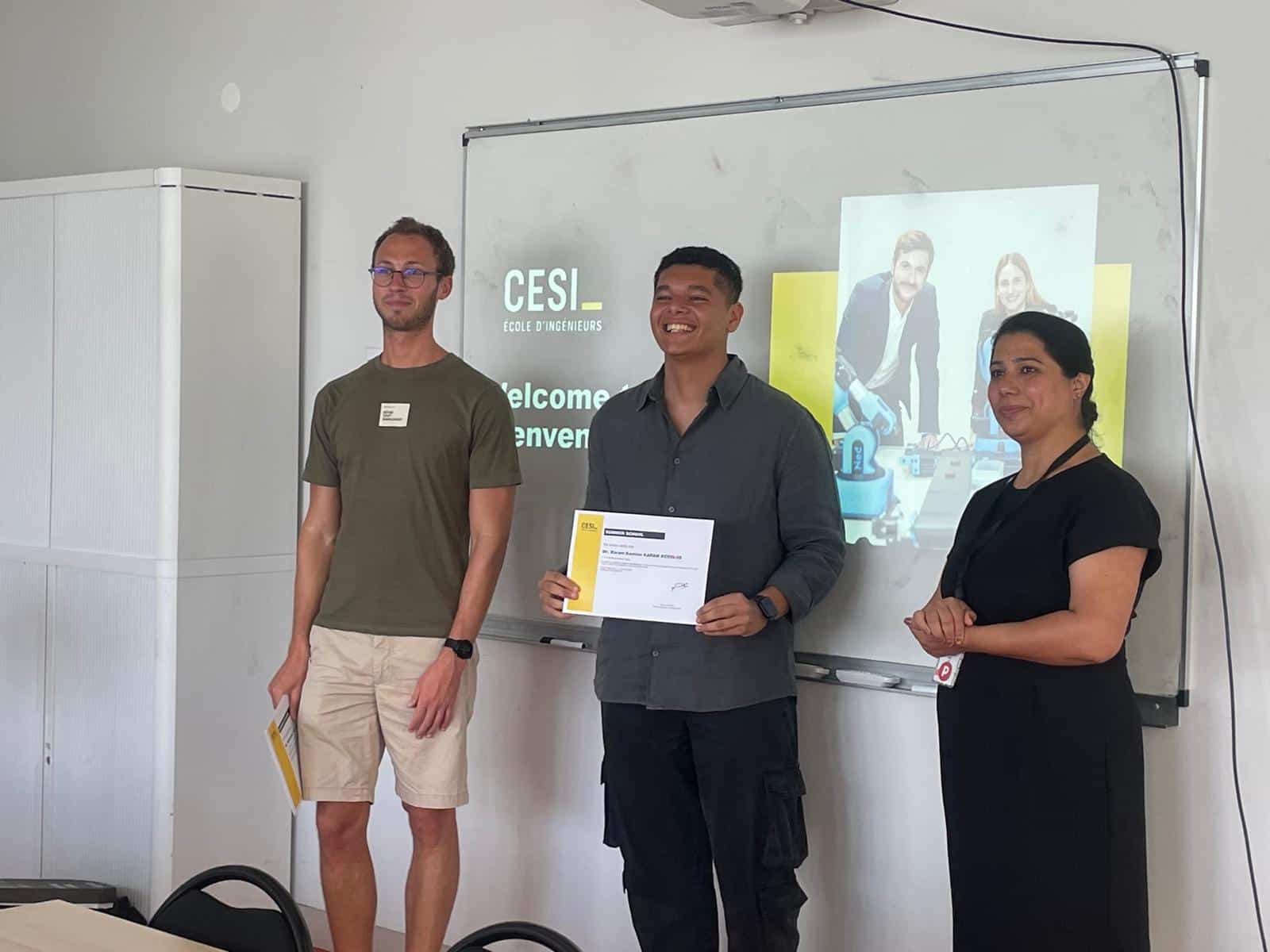
The Summer School ended with a hackathon based on the Kaggle Hand Gesture Recognition Challenge, won by Karam Kerolus, a student at Modern Sciences and Arts University in Egypt.
The teaching team included Professor Hazem Wannous (IMT Nord Europe), Dr Nabeel Ahsan (Beaconhouse National University, Pakistan), Eralda Froku and Paul Imbert, AI experts based in Nice, as well as the CESI team, Ahed Alboody, Robin Fays and Varsha Devi. Several speakers and students praised the quality of the workshops and the richness of the discussions within a group representing five nationalities.
This experience strengthened my technical skills in Computer Vision, Deep Learning and Graph Neural Networks, while reminding me of the importance of teamwork, experimentation and continuous learning.
Yassa Hany, Summer School participant
Caen: Smart Health Care & AI at the Heart of the Programme
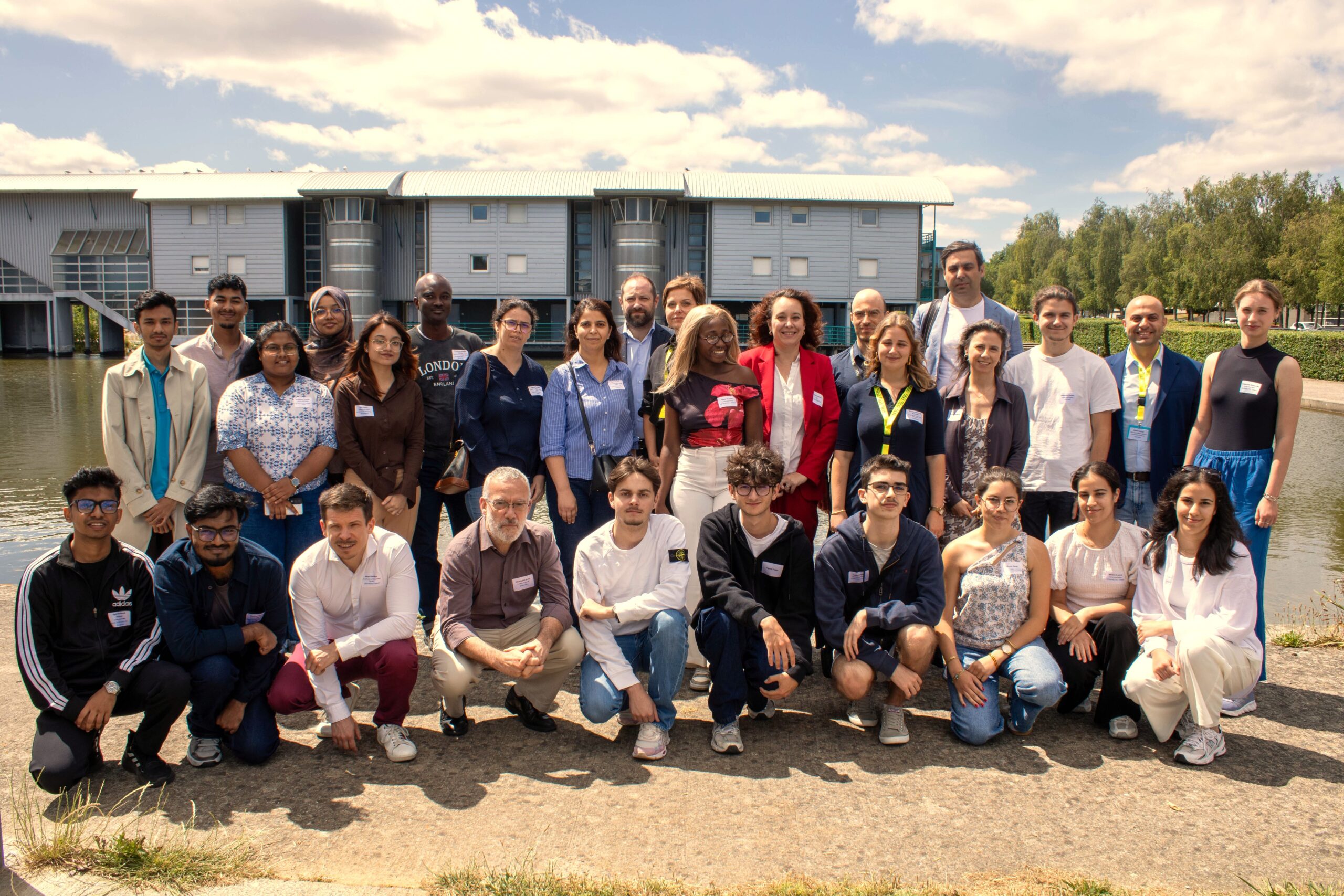
Over the same period, the Caen campus organised the second edition of its Summer School dedicated to healthcare, with a particular focus on the pharmaceutical industry this year. The programme brought together 16 students from eight countries. They were supported by 16 expert speakers and more than 20 partner companies and institutions.
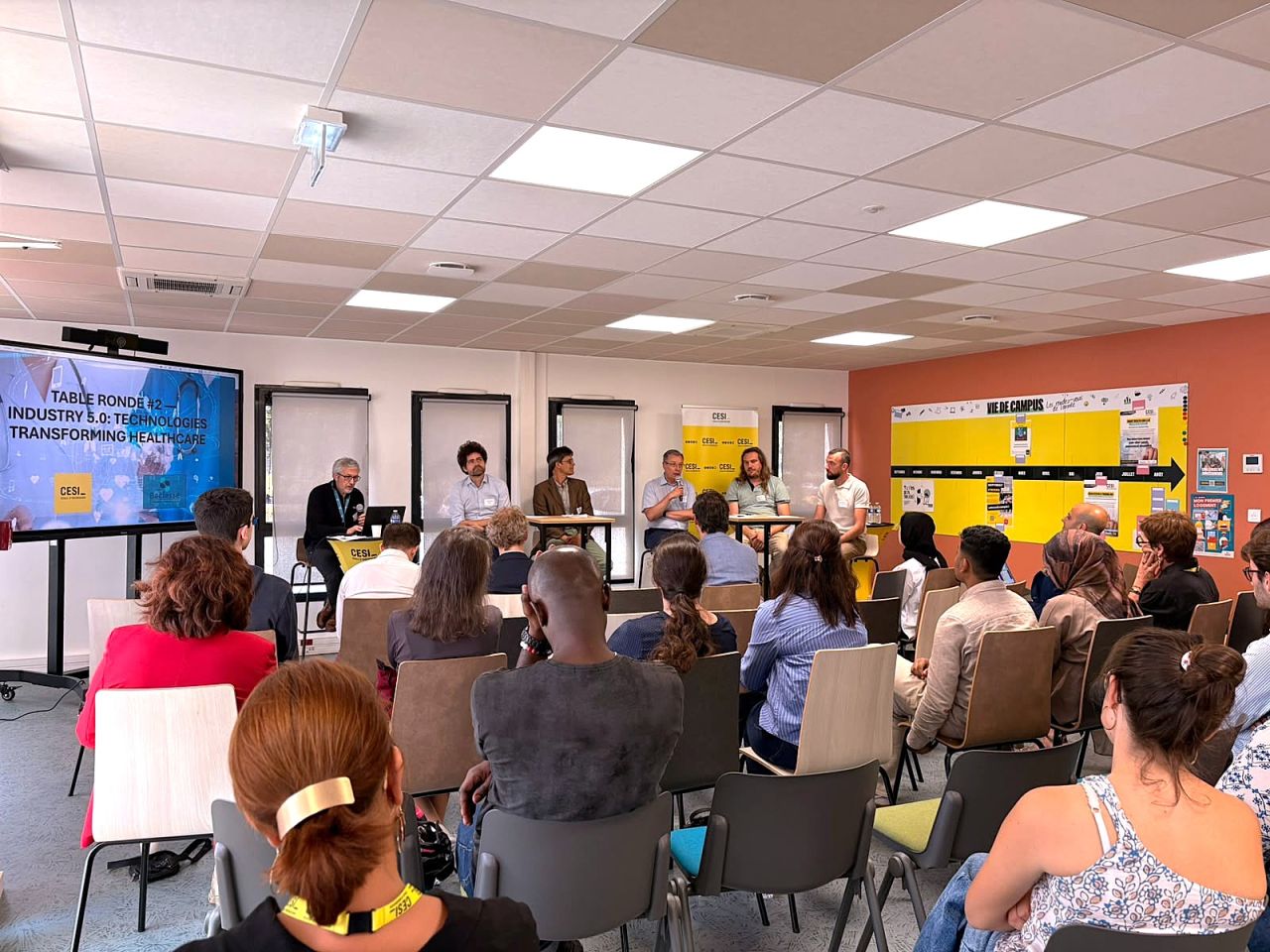
The programme began with an opening day for the general public, which brought together around 70 participants. It included a conference led by Laboratoire Gilbert, as well as two round tables focusing on the pharmaceutical value chain and Industry 5.0 technologies.
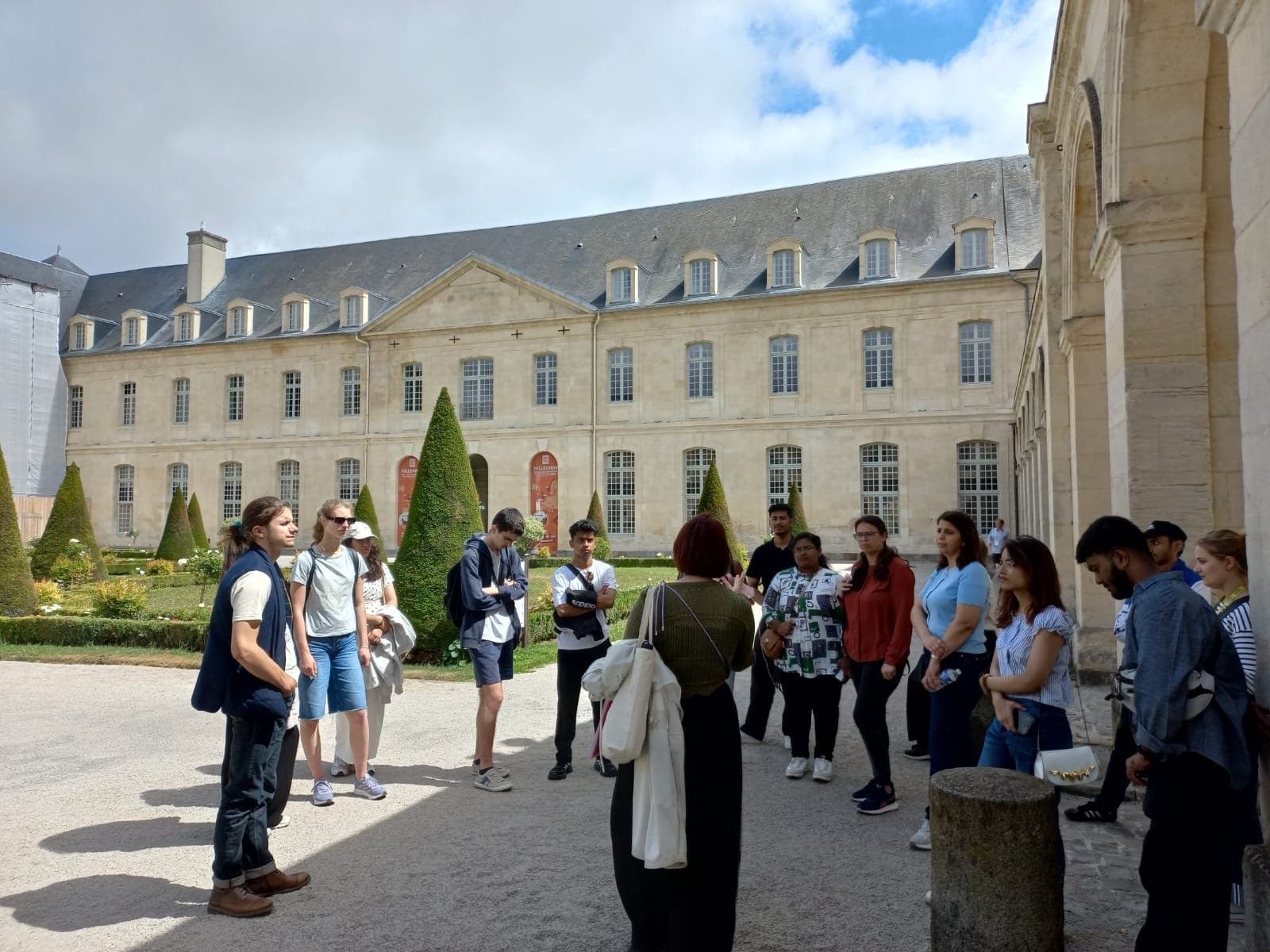
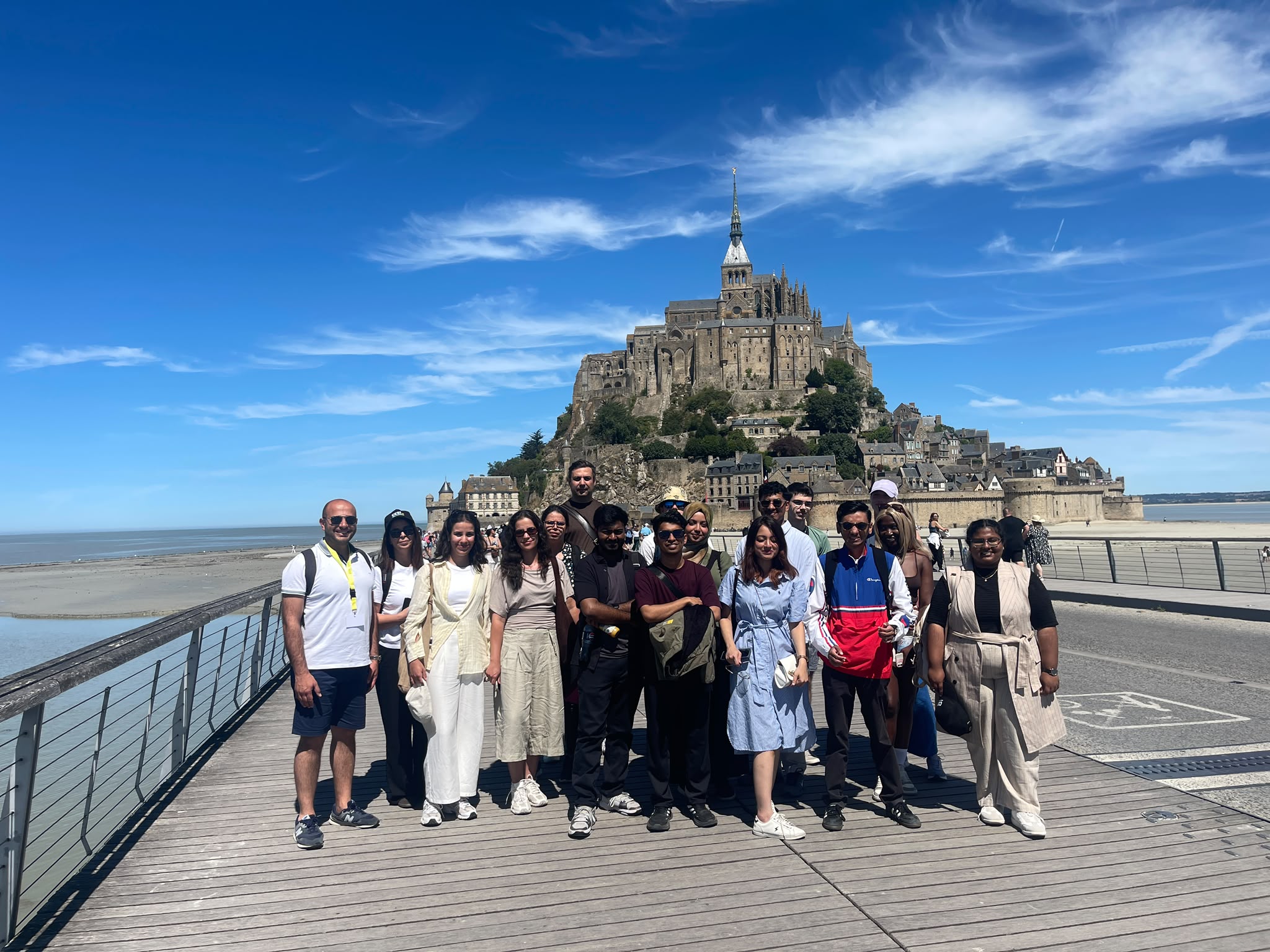
The following two weeks alternated between technical workshops and field visits. Students worked on machine learning, computer vision, digital twins and 3D printing before visiting Caen University Hospital (CHU de Caen), the François Baclesse Centre and the Cyceron biomedical research platform. An excursion to Mont-Saint-Michel was also organised as part of the programme.
As a biomedical engineering and technology student, I found this experience incredibly enriching. It allowed me to see first-hand how professionals apply this knowledge in their work.
Jasmin, Summer School participant in Caen
The 2026 edition also strengthened the programme’s European dimension. Uppsala University in Sweden and Aalborg University in Denmark took part in the Summer School. The collaboration with Aalborg University received support from the French Embassy in Sweden. Techup University in Tunisia and Lodz University of Technology in Poland were also represented.
The final three days were dedicated to a design thinking hackathon based on a challenge proposed by Laboratoire Gilbert, followed by a graduation ceremony. Beyond the academic results, numerous testimonials highlighted the quality of the welcome and support provided by the organising team throughout the stay.
Nanterre: An International Immersion Around “BIM for a Sustainable Future”
17
students hosted in Nanterre for the BIM Summer School.
From 6 to 17 July, the Nanterre campus hosted its Summer School dedicated to BIM for a sustainable future (Building Information Modelling) and the challenges of sustainable construction. Around 50 applications were received and 17 students were selected. The group included students and professionals from the United Kingdom, Kuwait, Pakistan, China, Brazil, Egypt and Ghana. It included Bachelor’s students, PhD students and working professionals in the construction sector. Several participants took part through the partnership with Nottingham Trent University in the United Kingdom.
Delivered entirely in English, the programme enabled participants to deepen their knowledge of BIM and its applications in sustainable construction. Experts in their respective fields also contributed throughout the Summer School, sharing their experience and giving talks to participants. Visits also gave students the opportunity to discover different professional environments related to their field of study.
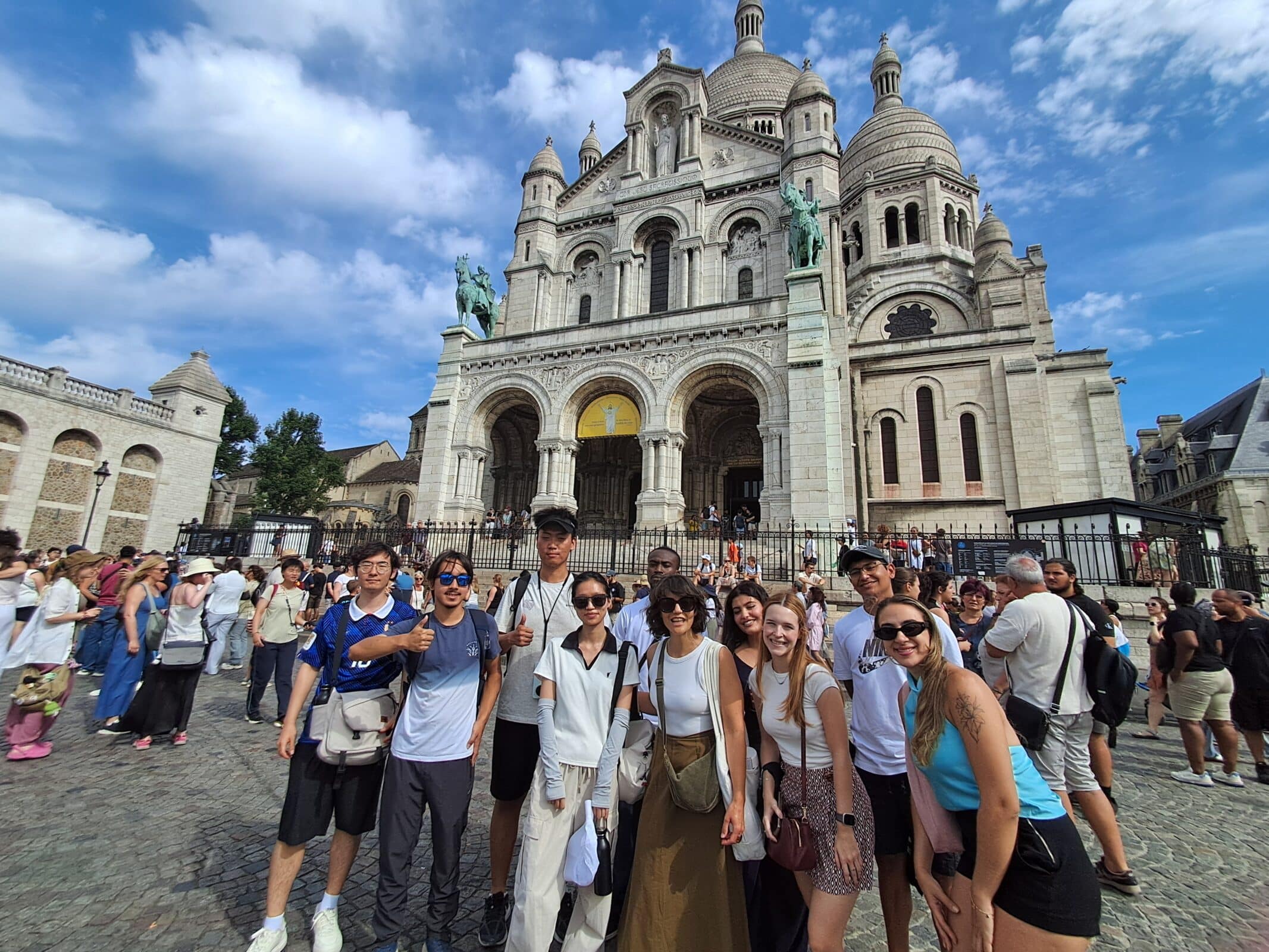
The programme also included several opportunities to discover Paris. Participants enjoyed two days of cultural activities, including a visit to Montmartre and an electric scooter tour. This gave them the opportunity to discover some of the capital’s main landmarks and learn more about their history, including the Eiffel Tower, the Louvre Museum and Notre-Dame de Paris. As the Summer School took place during the 14 July celebrations, participants were also able to experience the atmosphere of France’s national holiday and attend the fireworks in Paris.
The Summer School brought together students from different nationalities and cultural backgrounds. Interacting with people from different cultures greatly broadened my perspective, both academically and personally. Exploring sustainability challenges in an international context gave me new insights, particularly during the site visits.
Samuel, participant from United Kingdom
Strasbourg: Smart Innovation
From 29 June to 10 July 2026, the CESI campus in Strasbourg organised its second Summer School focusing on innovation and artificial intelligence, with the programme “Smart Innovation, Enhancing Ideas with AI.” Over two weeks, students from around the world explored the possibilities offered by AI in innovation processes through practical workshops, conferences and meetings with experts.
The programme covered ideation and concept generation with AI, market analysis, rapid prototyping and user-centred design. Students also had the opportunity to present their projects to professionals and defend them before a panel of experts. Visits to companies, laboratories and European institutions also gave participants the opportunity to discover Strasbourg’s ecosystem and meet professionals from different fields.
The CESI Summer School in Strasbourg was a very enriching experience, both academically and personally. I discovered an international environment where I was able to interact with students from different cultures, share ideas and broaden my perspective on innovation and technology.
Supissara Kitmano, Thaïland, King Mongkut’s University of Technology North Bangkok (KMUTNB)
Four Campuses, One International Outlook
From Nice to Strasbourg, via Caen and Nanterre, CESI’s 2026 Summer Schools offered students an experience combining academic learning, professional immersion and intercultural exchange. While each campus offered its own programme, all these initiatives shared the same ambition: to enable participants to deepen their knowledge, put their ideas into practice and discover new professional environments.
Through artificial intelligence, healthcare, BIM and innovation, these programmes also encouraged exchanges between students from different backgrounds and helped develop new international collaborations. This international outlook is one of the key features of CESI’s Summer Schools.
CESI is currently preparing for the 2027 sessions of its Summer Schools. Don’t hesitate to apply !